About ATEB Cleaning Services
Built Around How Facilities Operate
Many commercial cleaning programs are built around tasks.
We believe they should be built around how facilities operate. Occupancy patterns, workflows, stakeholder expectations, production schedules, and environmental demands all influence what a facility requires to perform consistently. When cleaning programs fail to reflect those realities, gaps begin to emerge between expectations and results.
At ATEB Cleaning Services, we believe effective commercial cleaning begins with understanding how an environment functions and what it requires to support day-to-day operations. Cleaning programs should reflect operational realities, support organizational objectives, and remain responsive as priorities evolve over time.
That philosophy influences how we evaluate facilities, develop programs, communicate observations, and support long-term consistency throughout Massachusetts and Southern New Hampshire.
Why Cleaning Programs Become Misaligned
Most recurring cleaning issues do not begin with a missed task.
They begin when cleaning programs gradually become disconnected from the environments they are intended to support.
Organizations grow. Departments expand. Equipment is introduced. Occupancy patterns shift. Regulatory expectations change. Operational priorities evolve. New demands are placed on the facility.
Over time, the environment changes, but the cleaning program often remains largely unchanged.
What once supported the facility effectively may no longer align with current conditions, priorities, or expectations.
As that disconnect grows, the symptoms begin to appear:
- Recurring issues despite routine service
- Inconsistent conditions across similar areas
- Increasing management attention and oversight
- Gaps between expectations and results
- Service activities that no longer reflect operational priorities
Many organizations respond by adding tasks, increasing frequencies, or creating additional checklists.
While those actions may provide temporary improvement, they do not always addressthe underlying issue.
We believe consistency is not created by adding more tasks. It is created by maintaining alignment between facility operations, expectations, and execution over time.
The ATEB Operational Alignment Framework
Maintaining consistency requires more than completing tasks. It requires a process to understand how a facility functions, respond to changing demands, and confirm that execution remains aligned with expectations.
Evaluate
Understand how the facility operates, including occupancy patterns, workflows, environmental demands, and stakeholder expectations.
Align
Develop service priorities, schedules, and requirements that reflect operational realities and effectively support the environment.
Execute
Deliver services in accordance with established expectations, priorities, and procedures.
Verify
Maintain visibility into execution through observation, review, communication, and ongoing evaluation of conditions.
Improve
Periodically reassess the environment and adjust programs as operational requirements, priorities, and conditions evolve.
The framework was developed through years of observing how cleaning programs succeed, how they struggle, and how facility needs often change faster than the programs designed to support them.
Why We Started ATEB
Commercial cleaning is often discussed in terms of frequencies, checklists, and completed tasks.
Those elements are important, but over time, we became increasingly interested in a different question:
Why do some facilities continue experiencing recurring concerns despite receiving routine cleaning services?
Working in and around commercial environments, we repeatedly observed a similar pattern. Cleaning programs were often performed exactly as designed, yet facility leaders continued to encounter issues that seemed difficult to eliminate.
Restroom conditions no longer reflected current usage levels. High-traffic areas deteriorated faster than expected. New equipment introduced housekeeping challenges that did not exist when the program was originally developed. Occupancy increased, operational priorities shifted, and expectations evolved, yet the supporting program frequently remained unchanged.
The issue was not always effort. The issue was often alignment.
We believed organizations deserved a more thoughtful approach than simply adding tasks whenever problems appeared.
Rather than treating cleaning as a fixed routine, we believed programs should adapt as facilities, expectations, and operational demands evolve.
That belief became the foundation of ATEB Cleaning Services and continues to shape how we evaluate facilities, develop programs, and support long-term consistency today.
Leadership
The philosophy behind ATEB Cleaning Services is guided by individuals who understand facility realities, support clients, and help ensure programs remain aligned with operational needs over time.
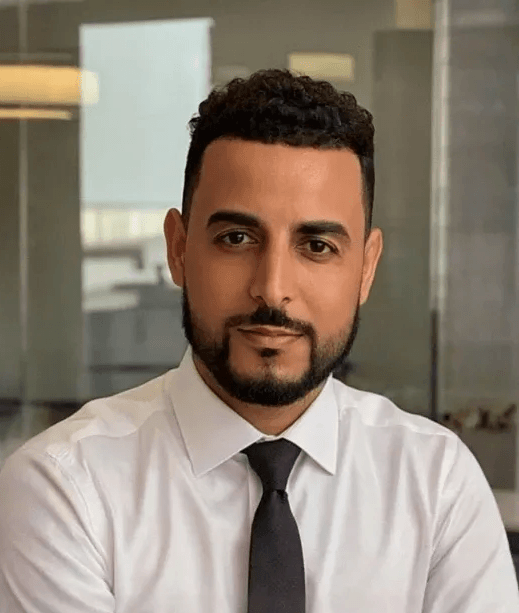
Abdel Torkout
Founder & Chief Executive Officer
Abdel holds a Bachelor’s degree in Environmental Geography and has built his career in manufacturing, operations, safety, and GMP-regulated environments. Having served in leadership roles within large U.S. manufacturing organizations, he developed a strong appreciation for operational discipline, compliance awareness, and long-term organizational performance.
At ATEB, Abdel focuses on company strategy, program development, compliance awareness, and long-term growth. His work centers on ensuring that client partnerships, service programs, and operational systems remain aligned with the company’s philosophy and the environments it supports.
Estelsy Beltran
Co-Founder & Chief Operating Officer
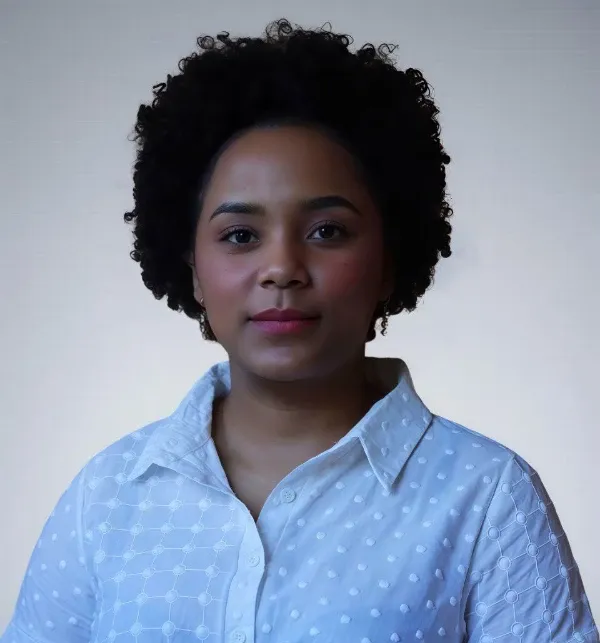
Estelsy holds a Bachelor’s degree in Accounting and has served in leadership roles within large U.S. manufacturing organizations, where she gained experience supporting operational performance, team coordination, quality expectations, and day-to-day execution in fast-paced production environments.
At ATEB, she oversees service delivery, quality assurance, client support, and operational execution. Her work focuses on maintaining visibility into daily performance, supporting communication between clients and field teams, and ensuring that established expectations are consistently reflected in execution.
She plays a key role in translating operational plans into measurable results while supporting accountability, responsiveness, and long-term client relationships across the environments ATEB serves.
Observations That Help Facilities Stay Ahead of Issues
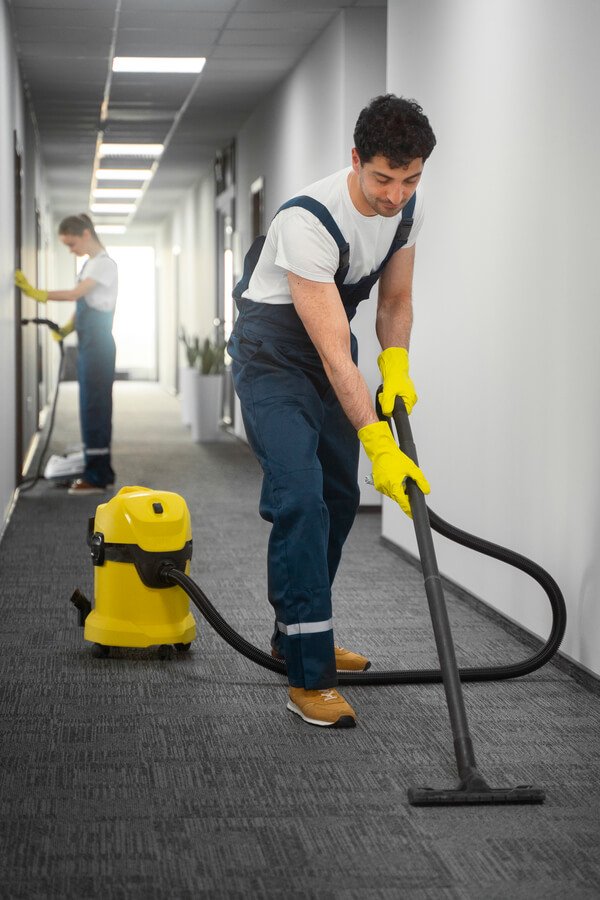
Cleaning personnel regularly interact with facility environments.
As a result, they often have opportunities to observe developing conditions that may affect cleanliness, usability, appearance, or operational effectiveness over time.
A leaking faucet may not fall within the cleaning scope, but it can influence restroom conditions. A damaged dispenser can create recurring supply concerns. A deteriorating floor finish may affect appearance long before replacement becomes necessary. Housekeeping challenges, blocked access areas, recurring supply shortages, or developing facility issues may all warrant additional attention from responsible personnel.
These observations are rarely significant on their own. However, when viewed collectively, they can provide valuable visibility into how an environment is functioning and where additional attention may be beneficial.
The purpose of commercial cleaning is not to perform maintenance, manage facilities, or direct operations.
The value lies in visibility
When observations are communicated appropriately, facility stakeholders gain greater
awareness of developing conditions before those issues become larger concerns.
This visibility helps organizations maintain awareness of changing facility conditions and
supports more informed decision-making over time.
Supporting Facilities Across Massachusetts & Southern New Hampshire
The principles of operational alignment apply across a wide range of industries and environments.
ATEB supports organizations throughout Massachusetts and Southern New Hampshire through programs designed around how facilities operate.
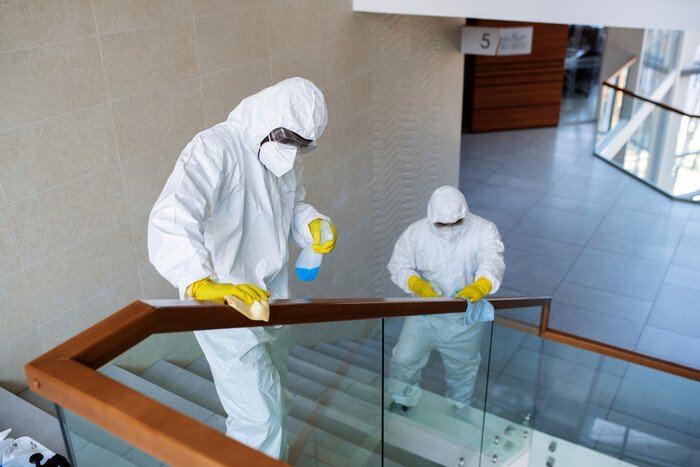
Healthcare & Medical Offices
Where consistency supports patient confidence.
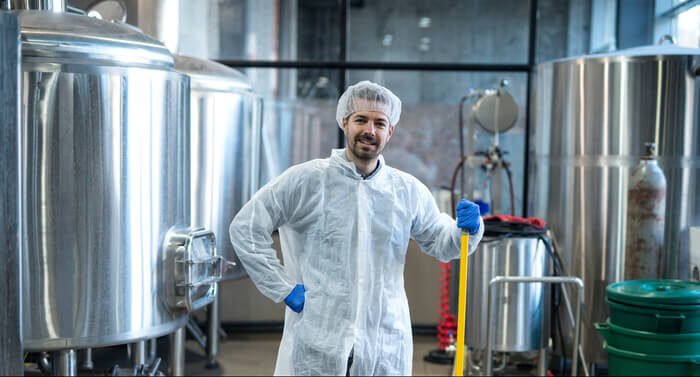
Manufacturing & Warehouses
Where cleaning programs must support operations.
Corporate & Offices
Where workplace standards influence experience.
Educational Facilities
Where occupancy creates constant demand.
Property Management
Where consistency must extend across properties.
Retail & Showrooms
Where presentation influences perception.
Senior Living Facilities
Where the environment supports the residents’ well-being.
Regions We Serve
Worcester County
Where multiple operational environments converge.
MetroWest
Where expectations remain high.
Merrimack Valley
Where visibility shapes expectations.
Southern New Hampshire
An operational corridor under growth pressure.

Maintaining Alignment Over Time
Consistency is not achieved once and maintained automatically.
Organizations introduce new processes, occupancy levels fluctuate, facilities expand, equipment changes, and operational priorities evolve. Over time, those developments can influence how cleaning programs should be structured and delivered.
Maintaining alignment requires periodic evaluation of current conditions, ongoing visibility into facility performance, and a willingness to adjust when operational realities change.
The objective is not constant modification.
The objective is to ensure that programs continue supporting the environment as it exists today rather than relying on assumptions formed in the past.
Cleaning programs should evolve for the same reason facilities do;
operational realities rarely remain static.
When alignment is maintained, consistency becomes easier to sustain, expectations become clearer, and facilities are better positioned to support the people who depend on them.
Schedule a Walkthrough
Every facility operates differently.
Understanding how an environment functions is often the first step toward determining whether current service programs remain aligned with operational realities, stakeholder expectations, and long-term performance objectives.
ATEB Cleaning Services evaluates facility operations, identifies changing demands, and develops structured programs designed to support consistency as environments evolve.