 Skip to content
Commercial Cleaning Services in Southern New Hampshire
Southern New Hampshire operates as a major commercial corridor where manufacturing facilities, warehouses, distribution operations, healthcare organizations, professional offices, and multi-tenant commercial properties support daily business activity across a diverse and evolving economy.
Businesses throughout the region continue to adapt to workforce pressures, infrastructure demands, changing occupancy patterns, and ongoing commercial growth, creating environments that rarely remain static for long.
Many organizations manage facilities across multiple locations, municipalities, and even state lines. Maintaining consistent facility conditions across these environments requires support programs that remain aligned with how facilities actually function rather than how they operated years earlier.
ATEB Cleaning Services supports organizations throughout Southern New Hampshire with structured cleaning programs tailored to facility requirements, usage patterns, and defined execution standards.
Environment Matrix
Manufacturing & Industrial Operations
Production activity, workforce movement, storage requirements, equipment support areas, and operational housekeeping standards
Warehousing & Distribution
Inventory movement, deliveries, equipment traffic, shipping activity, and multi-shift operations
Healthcare & Medical Facilities
Continuous occupancy, regulated environments, patient-facing expectations, and infection-control requirements
Professional Offices
Workplace presentation, employee experience, visitor expectations, and shared-space consistency
Multi-Tenant Commercial Properties
Shared infrastructure, multiple stakeholders, varying occupancy patterns, and common-area expectations
SOUTHERN NEW HAMPSHIRE'S COMMERCIAL ENVIRONMENT
Southern New Hampshire supports a diverse mix of commercial, industrial, healthcare, and professional service activity connected to both the New Hampshire and Greater Boston economies. Manufacturing facilities, warehouse and distribution operations, healthcare providers, professional offices, and multi-tenant commercial properties operate throughout the region, creating environments with different requirements but a shared need for consistency, accountability, and operational support.
Transportation Corridors Shape Regional Operations
Southern New Hampshire & location along Interstate 93, the Everett Turnpike, and Route 3 continues to influence warehouse development, distribution activity, manufacturing operations, workforce movement, and commercial growth throughout the region. These corridors connect businesses to Massachusetts labor markets, regional supply chains, and customers across the Northeast.
HOW FACILITIES OPERATE ACROSS SOUTHERN NEW HAMPSHIRE
Cross-State Business Operations
Many organizations operating in Southern New Hampshire maintain facilities, customers, employees, or supply chain relationships that extend into Massachusetts and the broader Northeast region. Expectations often remain consistent across
locations regardless of state boundaries, requiring standardized execution and
communication throughout the organization.
Mixed Operational Environments
A single facility may support several different functions simultaneously. Administrative offices, conference rooms, warehouse space, production support areas, receiving zones, employee break areas, and customer-facing environments frequently operate within the same property.
Extended Operating Schedules
Manufacturing operations, distribution facilities, healthcare environments, and many professional organizations frequently operate beyond traditional business hours. Early
shifts, late shifts, staggered schedules, overnight activity, and continuous occupancy reduce available service windows and increase operational complexity.
Continuous Facility Change
Occupancy levels fluctuate, staffing changes occur, departments expand, workflows evolve, and operational priorities shift over time. Programs developed around previous conditions may gradually become less aligned with current requirements unless they are periodically evaluated and adjusted.
WHY MAINTAINING CONSISTENCY BECOMES DIFFICULT
Growth Changes Facility Demand
As organizations expand, facility usage often changes faster than support programs
evolve. Increased staffing, higher occupancy, expanded operations, and changing traffic patterns place additional demands on restrooms, breakrooms, entrances, common areas, and shared spaces.
Multiple Operational Priorities
Executive offices require professional presentation standards. Warehouses require
housekeeping control and traffic management. Employee areas experience daily wear. Customer-facing environments must maintain a consistent appearance. Balancing these priorities requires a program aligned with operational reality.
Limited-Service Windows
Manufacturing schedules, distribution activity, healthcare operations, tenant occupancy, and employee workflows often limit when support work can be performed. As available service windows narrow, execution must be more coordinated and intentional.
Multi-Site Consistency Requirements
Organizations operating across multiple locations frequently expect a consistent experience regardless of facility location. Maintaining those standards requires communication, visibility, and standardized execution processes rather than relying solely on individual effort.
Operational Drift
When cleaning programs remain static while facilities continue changing, a gap begins to form between actual facility requirements and the systems intended to maintain them. That gap is often where recurring issues and inconsistencies begin to emerge.

WHEN CLEANING PROGRAMS FALL BEHIND FACILITY OPERATIONS
Inconsistent Conditions
When cleaning priorities no longer reflect actual facility usage, conditions often begin to vary throughout the building. Shared spaces, employee areas, entrances, and customer-facing environments may receive varying levels of attention as demands change.
Increased Oversight Burden
Facility managers, office administrators, property managers, and operations leaders often spend more time identifying deficiencies, verifying completion, and following up on unresolved concerns than on operational priorities.
Recurring Deficiencies
Many facility problems begin as isolated issues. Without structured follow-up and verification, those issues often reappear repeatedly and gradually become accepted as normal operating conditions.
Reduced Visibility
Organizations often lose visibility into what has been completed, what remains outstanding, and whether concerns have actually been resolved. The challenge becomes less about cleaning and more about maintaining operational awareness.
Reactive Execution
As inconsistencies accumulate, organizations frequently find themselves responding to complaints and correcting deficiencies after they become visible rather than preventing them before they occur.
MAINTAINING OPERATIONAL CONTROL ACROSS SOUTHERN NEW HAMPSHIRE FACILITIES
1. Facility Evaluation
Every facility operates differently. Layout, occupancy patterns, operating schedules, traffic flow, risk areas, and operational priorities influence how support programs should be structured.
2. Defined Execution Standards
Structured programs establish defined scopes of work, service frequencies, responsibilities, and performance expectations aligned with the environment being supported.
3. Oversight & Verification
Routine inspections, documented observations, communication processes, and verification activities help identify deficiencies before they become recurring issues.
4. Communication & Resolution
Facility requirements change over time. Effective communication allows programs to adapt alongside those changes while ensuring concerns are documented, addressed, and resolved in a timely manner.
Continuous Alignment
Maintaining consistency requires periodic evaluation of service requirements, facility usage patterns, operational demands, and emerging risk areas. Programs that evolve alongside the facility are more likely to sustain performance over time.
ATEB Cleaning Services supports organizations throughout Southern New Hampshire through structured execution, documented processes, routine oversight, and clear communication designed to maintain alignment between facility conditions and operational requirements.
Industries we support
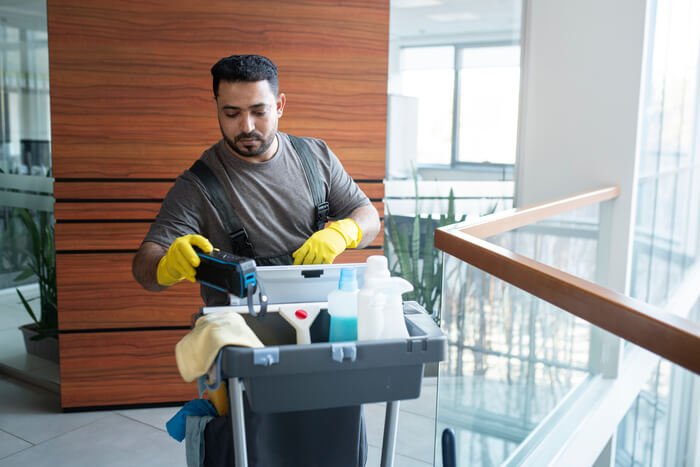
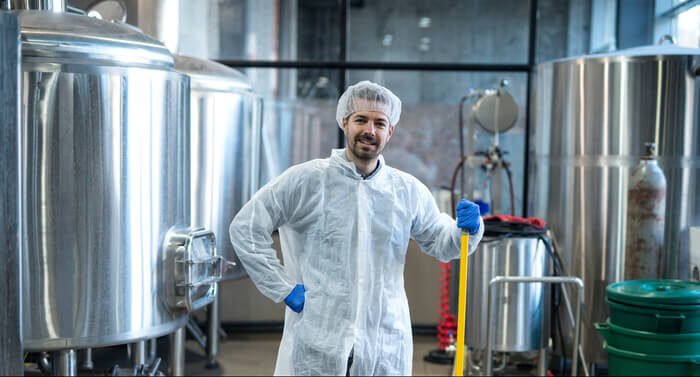
Southern New Hampshire supports a diverse mix of manufacturing facilities, warehouse and distribution operations, healthcare organizations, professional offices, educational institutions, multi-tenant commercial properties, and customer-facing business environments. While each operates differently, all require facility support programs aligned with operational requirements, occupancy patterns, risk areas, and performance expectations.


SERVICES SUPPORTING SOUTHERN NEW HAMPSHIRE OPERATIONS
Facility requirements vary significantly across Southern New Hampshire. Manufacturing operations, warehouse facilities, healthcare environments, office buildings, and multi- tenant properties each create different operational demands, occupancy patterns, and performance expectations. The programs below are commonly used to support consistent facility conditions across these environments.
Primary Programs
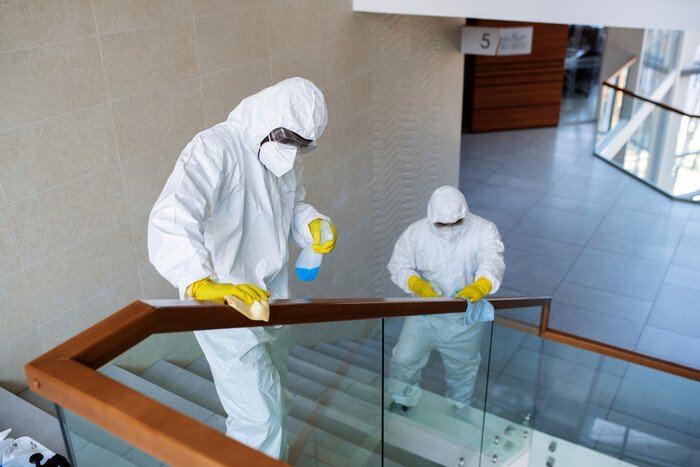
Janitorial Services
Structured recurring cleaning programs designed to maintain consistent facility conditions across commercial environments.
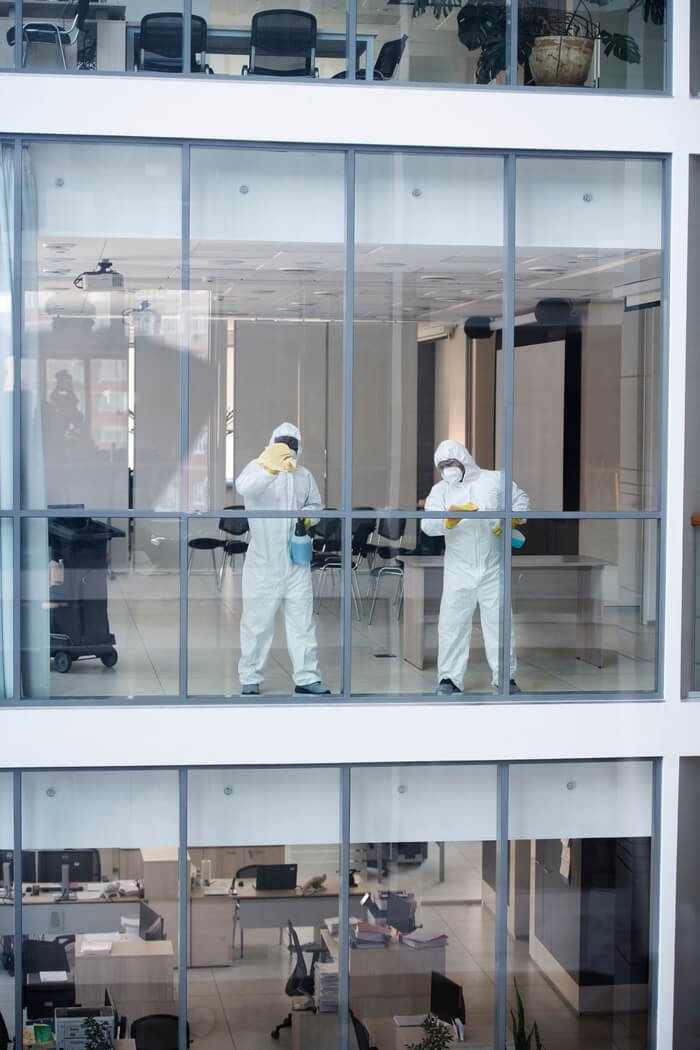
Day Porter Services
Real-time support for active facilities requiring continuous attention throughout operational hours.
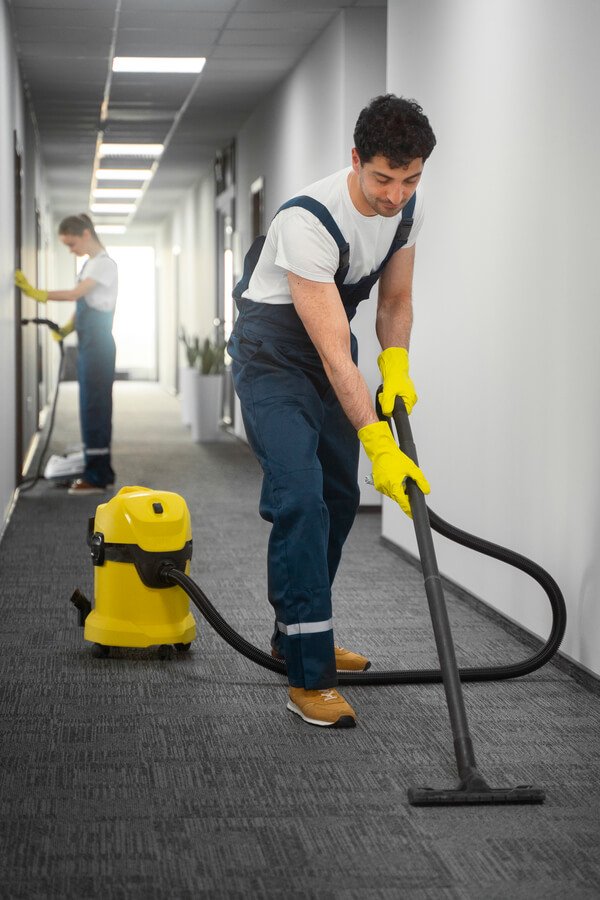
Floor Care Services
Scheduled maintenance programs aligned with traffic levels, flooring materials, and facility appearance standards.
Disinfection Services
Targeted support for high-touch areas, shared environments, and health-focused facility requirements.
Post-Construction Cleaning
Detailed cleaning services supporting project turnover, occupancy readiness, and final- condition preparation.
Additional Services
AREAS WE SUPPORT
We also support organizations operating across both New Hampshire and Massachusetts as part of regional facility networks, multi-site commercial portfolios, and cross-state operations.
Request a walkthrough
If facility conditions are inconsistent, recurring issues continue appearing, or cleaning programs no longer align with how your operation functions, it is likely that the program has not evolved alongside the facility.
We evaluate facility usage, operational demands, risk areas, occupancy patterns, and performance expectations to develop structured cleaning programs designed for consistency, accountability, and long-term operational alignment.
