 Skip to content
Cleaning for Retail Stores and Customer-Facing Showroom Environments
Retail stores, showrooms, and customer-facing environments operate in spaces where cleanliness directly impacts customer perception, brand presentation, and the overall shopping experience.
In these environments, conditions do not remain static — they degrade continuously throughout the day due to customer interaction, foot traffic, and constant use of displays and shared surfaces.
Cleaning programs must maintain consistent conditions throughout operating hours, not just between scheduled visits.
In these environments, cleaning is evaluated continuously by customers, not periodically by schedule.
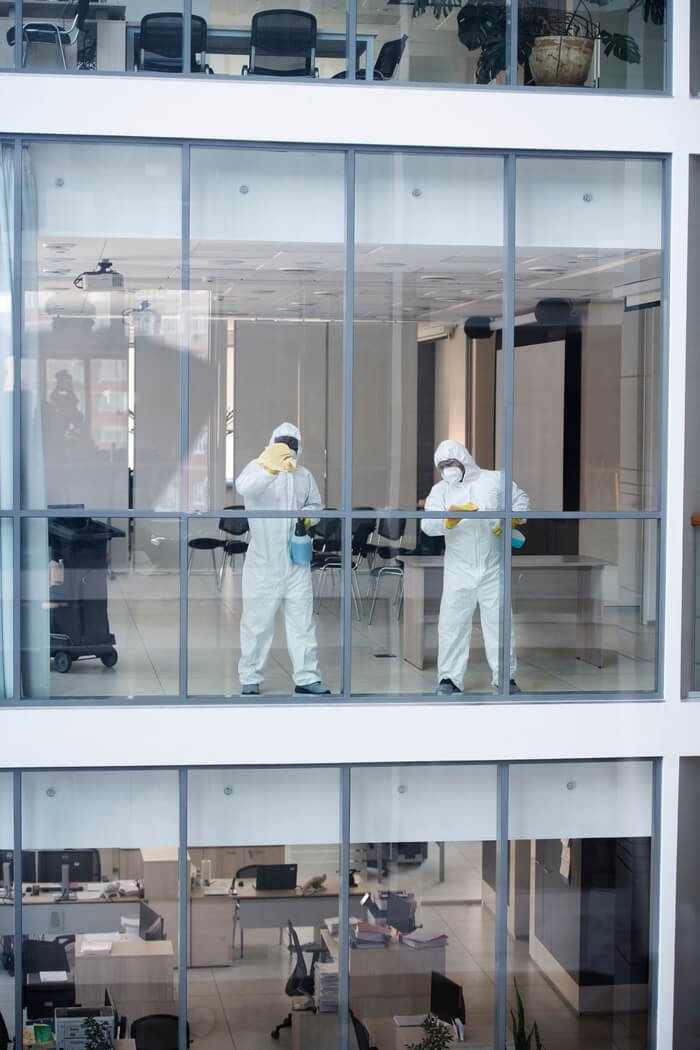
Where Cleaning Breaks Down in Retail Environments
Cleaning is performed in most retail environments.
The issue is not whether cleaning happens — it is whether conditions are maintained throughout the day.
- cleaning is deprioritized behind sales and operational tasks
- employees are responsible for multiple roles, not dedicated to cleaning
- high-traffic areas lose their appearance quickly after being cleaned
- displays, glass, and fixtures accumulate dust, smudges, and fingerprints
- restrooms and customer areas degrade between service intervals
Cleaning is happening — but it is not being maintained.
What This Leads To
- inconsistent customer experience across the store
- reduced time spent in-store and lower engagement with displays
- negative perception of cleanliness and brand quality
- loss of visual appeal in displays and sales areas
- increased complaints or unnoticed dissatisfaction
Customer perception is shaped by conditions throughout the visit — not by when cleaning is scheduled.
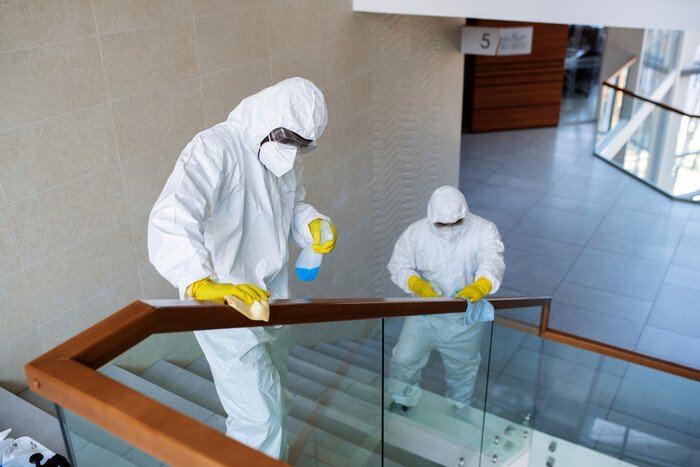
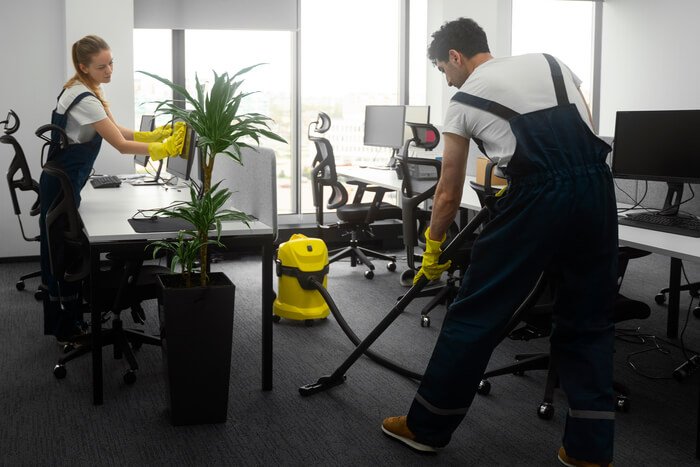
Why This Happens
Retail environments are not designed to maintain cleaning conditions.
- staff is not dedicated to cleaning execution
- priorities shift constantly during operating hours
- cleaning becomes reactive instead of controlled
- there is no structured system for maintaining conditions
- no defined ownership of cleaning results
- cleaning responsibility is distributed across staff instead of being controlled through a defined system
Retail environments degrade continuously due to customer interaction, not between cleaning cycles.
Without structure, consistency cannot be maintained.
Customer-Facing Conditions Must Be Maintained
In retail environments, cleanliness is not defined by completed tasks — it is defined by how the space looks and feels to customers at any moment.
- floors must maintain a consistent appearance despite constant traffic
- glass, mirrors, and displays must remain clear and presentable
- fixtures and surfaces must be free of buildup and smudging
- restrooms must maintain acceptable conditions throughout the day
Customer perception is driven by conditions, not cleaning schedules.
Structured Cleaning for Retail Environments
Structured cleaning programs are designed to maintain conditions in environments that continuously degrade.
- defined routines aligned with customer flow and store activity
- standardized execution across all service visits
- schedules built around real operating conditions
- verification through inspections and defined processes
- performance is evaluated based on visible conditions throughout operating hours
The objective is not just to clean — it is to maintain consistent customer-facing conditions.
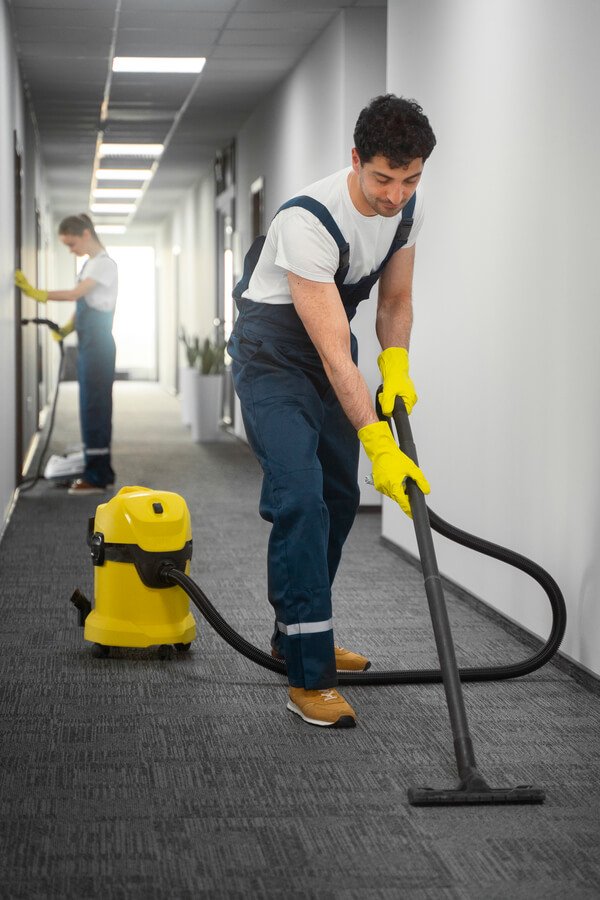
Cleaning That Keeps Up with Real-Time Conditions
Retail environments require cleaning that adapts to continuous use.
- high-traffic areas require repeated attention throughout the day
- customer interaction impacts surfaces, displays, and floors
- spills, debris, and buildup must be addressed immediately
- conditions must be maintained during business hours
Cleaning must keep up with real-time conditions, not just scheduled visits.
Cleaning That Aligns with Store Operations
Retail environments operate under strict schedules and customer expectations.
Cleaning must integrate without disrupting sales activity.
- after-hours and overnight cleaning for full resets
- day porter support for active maintenance during business hours
- coordination with peak shopping periods and promotions
- flexibility based on store traffic and layout
Typical Cleaning Scope in Retail Environments
Cleaning scope varies by location, but retail environments typically require consistent execution across the following areas:
Every Visit
- sales floors and customer walkways
- displays, fixtures, and high-touch surfaces
- trash and debris removal
- restroom cleaning and restocking
Ongoing Operational Support
- glass and mirror cleaning across display areas
- spot cleaning for floors and high-traffic zones
- fitting rooms and customer spaces
- continuous maintenance of customer-facing areas
Periodic Detail Work
- high dusting of shelves and fixtures
- baseboards and edges
- buildup removal in high-use areas
- detailed cleaning of display environments
How Consistency Is Maintained
Consistency in retail environments is achieved through controlled execution, not assumptions.
- defined routines aligned with store operations
- standardized execution across all service visits
- supervisor oversight and inspection processes
- documented verification of completed work
Without these controls, cleaning performance becomes inconsistent across shifts and locations.
Facilities We Support
| Environment Type | Operational Focus |
|---|---|
| Retail Stores | Storefronts and customer engagement |
| Shopping Centers | Plazas and common area management |
| Showrooms | Customer-facing environments and display presentation |
| Specialty Retail Spaces | Bespoke product layouts and merchandise focus |
| Automotive Showrooms | Display environments and vehicle presentation |
These environments require consistent execution across all customer-facing areas
where presentation directly impacts perception.
Supporting Services
Structured Cleaning for Retail and Showroom Environments
Structured cleaning programs support retail stores by ensuring consistent, condition- based execution across Worcester County, the Merrimack Valley, MetroWest, and Southern New Hampshire.
