 Skip to content
Cleaning for Educational Facilities and Learning Environments
Schools, educational facilities, and learning environments operate in environments where cleanliness directly impacts student health, staff safety, and daily operations.
In these environments, conditions do not remain static — they change continuously throughout the day as students and staff move between classrooms, hallways, and
shared spaces.
Cleaning programs must maintain consistent conditions across these continuously used
environments.
Where Cleaning Breaks Down in Schools
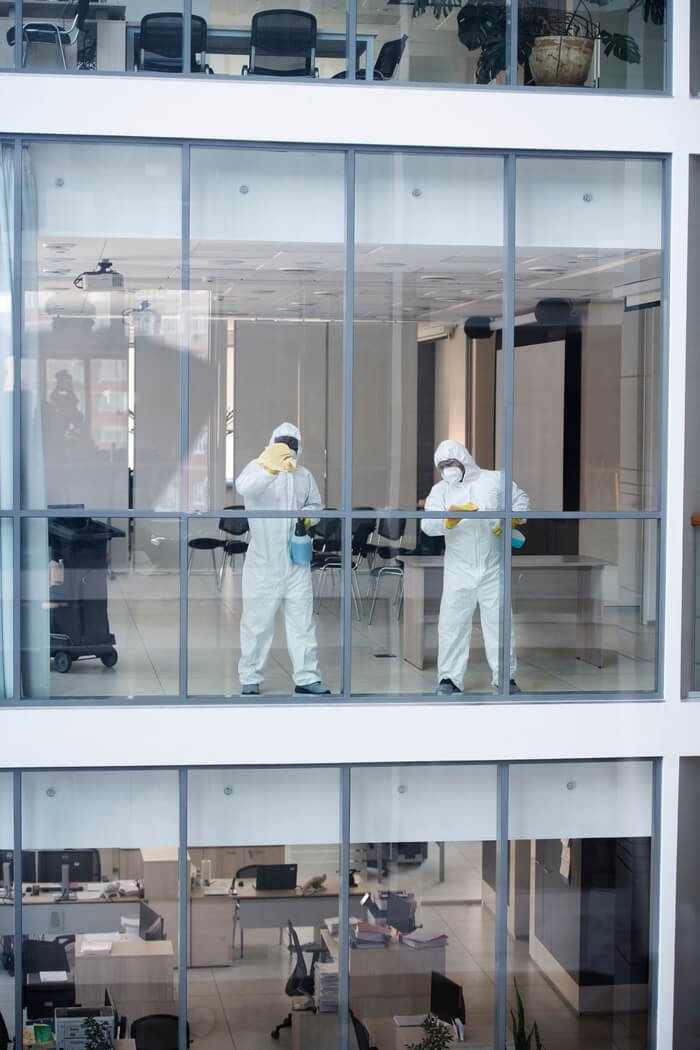
Cleaning is performed regularly in most educational facilities.
The issue is not whether work is being done — it is whether it keeps up with how the building is actually used.
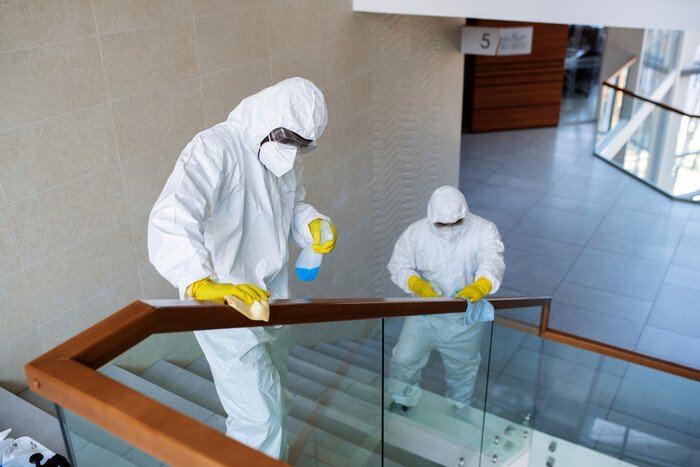
- high-touch surfaces are used continuously between cleaning cycles
- restrooms degrade quickly during school hours
- classrooms are reused without consistent reset conditions
- hallways and shared spaces accumulate debris throughout the day
- issues are addressed after complaints instead of being prevented
Cleaning is happening — but it is not keeping up with building usage.
What This Leads To
- increased illness transmission among students and staff
- unsanitary restrooms and shared surfaces
- complaints from teachers, staff, and parents
- disruption to classroom environments
- inconsistent conditions across classrooms and shared spaces
Why This Happens
Most school cleaning programs are built around schedules, not actual demand.
- cleaning is performed after hours, not during active use
- execution does not account for continuous movement between spaces
- high-use areas require more attention than scheduled
- there is limited visibility into conditions during the day
Cleaning is often treated as a routine task, even though conditions change constantly throughout school hours.
Cleaning performance is also limited by execution capacity.
- available time restricts what can realistically be completed
- high-priority areas receive attention while others fall behind
- defined scope remains constant, but execution becomes selective
Without structured execution, consistent conditions cannot be maintained in active learning environments.
Structured Cleaning for Educational Environments
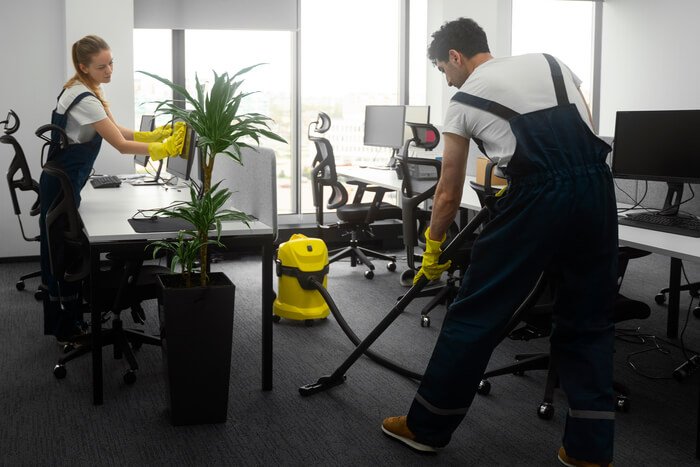
Structured cleaning programs are designed to control how cleaning is executed across classrooms and shared spaces.
- defined scopes aligned with how spaces are used throughout the day
- standardized execution across all service visits
- schedules adjusted to match real building usage
- verification through inspections and defined routines
The objective is not just to clean — it is to maintain consistent conditions across the entire facility.
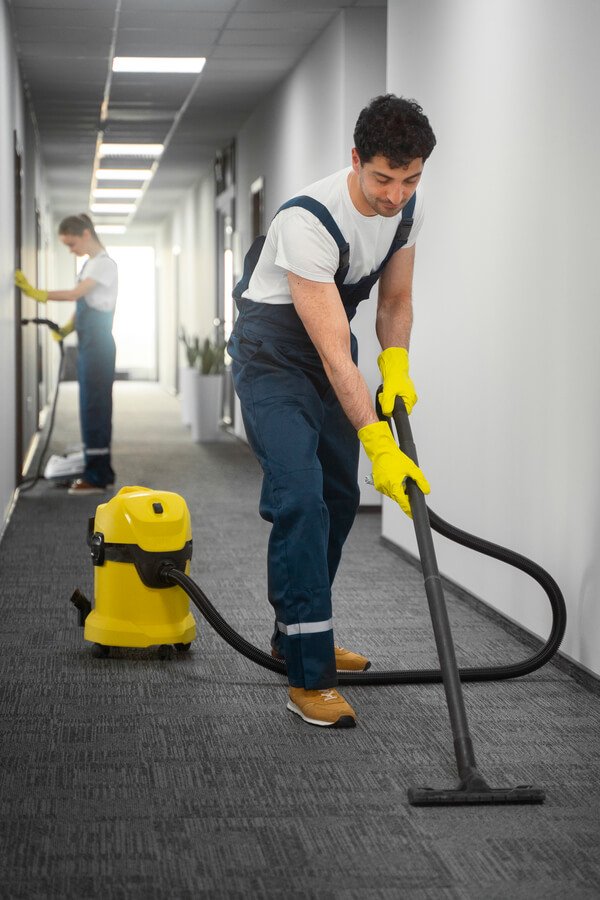
Cleaning That Aligns with School Operations
Educational facilities operate on strict schedules with continuous movement between spaces.
Cleaning must align with these conditions without disrupting learning.
Structured programs are designed to support:
- classroom transitions and shared space usage
- arrival, dismissal, and peak movement times
- events, assemblies, and extracurricular activities
- coordination with staff and facility operations
Cleaning Across Classrooms and Shared Spaces
Cleaning in schools does not happen in isolated areas.
Classrooms, restrooms, hallways, and shared spaces are all connected.
- students move between classrooms and shared areas throughout the day
- high-touch surfaces are used continuously across spaces
- restroom conditions affect overall building hygiene
- cleanliness is experienced across the entire facility, not individual rooms
Consistency must be maintained across all spaces to support a stable learning environment.
Performance Must Be Verified, Not Assumed
In educational environments, cleaning performance cannot rely on assumptions.
It must be measured and verified.
- inspection routines confirm work is completed
- accountability ensures consistency across service visits
- issues are identified before they become complaints
- communication provides visibility to administration
Without verification, cleaning becomes inconsistent over time.
Typical Cleaning Scope in Educational Facilities
Cleaning scope varies by facility, but educational environments typically require consistent execution across the following areas:
Daily / Recurring Services
- classrooms and learning spaces
- restrooms and sanitation areas
- hallways, stairwells, and shared corridors
- cafeterias and common areas
- entryways and high-traffic zones
Ongoing Operational Support
- day porter services for active facilities
- restroom maintenance throughout the day
- touchpoint cleaning in shared spaces
- support for high-traffic and high-use areas
Periodic Detail Work
- deep cleaning of classrooms and shared areas
- high dusting of vents and fixtures
- detailed cleaning of high-use surfaces
- maintenance of floors and high-traffic zones
How Consistency Is Maintained
Consistency in educational environments is achieved through controlled execution, not assumptions.
- defined routines across all areas of the facility
- standardized execution across teams and visits
- supervisor oversight and inspection processes
- documented verification of completed work
Without these controls, cleaning performance becomes inconsistent across classrooms and shared spaces.
Facilities We Support
| Environment Type | Operational Focus |
|---|---|
| K-12 Schools & School Districts | Student safety, high-traffic surface sanitization, and scheduled break turnover |
| Private & Charter Schools | Tailored facility maintenance, parent/visitor presentation, and campus health standards |
| Colleges & Educational Campuses | Multi-building coordination, high-occupancy facility upkeep, and flexible academic scheduling |
These environments require consistent execution across classrooms, shared spaces, and high-use areas.
Supporting Services
Janitorial Services
Recurring service programs help organizations maintain stable facility conditions,
support daily activities, and provide consistency across occupied environments.
Day Porter Services
Real-time support for active office facilities requiring continuous maintenance throughout operational hours.
Floor Care Services
Disinfection Services
Structured Cleaning for Educational Environments
Structured cleaning programs support educational facilities across Worcester County, Central Massachusetts, the Merrimack Valley, MetroWest, and Southern New Hampshire.
