 Skip to content
Commercial Cleaning Services in Worcester County, MA
Worcester County brings together healthcare systems, manufacturing facilities, educational institutions, logistics operations, commercial properties, and professional workplaces into a single interconnected regional economy. Facilities often operate under different schedules, priorities, and performance requirements, while organizations continue to expect consistent standards across all locations.
Maintaining those standards requires more than completing tasks. It requires cleaning programs that align with how facilities actually operate and are supported by structured execution, oversight, and accountability
Healthcare & Institutional Facilities
Hospitals, medical offices, outpatient centers, schools, colleges, universities, and public facilities operate under unique occupancy patterns and performance expectations. These environments often require programs that support continuous activity, shared spaces, occupant experience, and regulatory requirements.
Manufacturing & Industrial Operations
Production facilities and industrial environments support daily manufacturing activities while balancing workforce movement, equipment areas, operational housekeeping, and facility presentation. Conditions must support operations without interfering with production requirements.
Distribution & Logistics Facilities
Warehouses, fulfillment operations, and logistics facilities experience changing traffic patterns, inventory movement, loading activity, and operational demands throughout the day. Programs often require flexibility while maintaining consistent facility conditions.
Professional Offices & Commercial Properties
Business parks, administrative offices, multi-tenant facilities, and commercial workplaces emphasize occupant experience, presentation standards, shared spaces, and operational continuity.
Legacy & Redeveloped Properties
Many facilities throughout Worcester County include renovated industrial buildings, older commercial properties, and mixed-use environments operating under modern performance expectations while supporting changing business needs.
WHERE MULTIPLE OPERATIONAL ENVIRONMENTS CONVERGE
Worcester County supports a wide range of operating environments, from healthcare facilities and educational institutions to manufacturing operations, distribution centers, commercial properties, and professional workplaces. Many organizations operate across multiple facility types, each with different schedules, priorities, and performance requirements.
Maintaining standards across these environments often requires balancing different operational realities while preserving consistency across locations.
How organizations operate across Worcester county
Organizations across Worcester County rarely operate within a single environment. A business may manage offices, warehouses, production areas, healthcare spaces, educational facilities, or commercial properties that operate differently yet remain part of the same organization. As operations expand across locations, maintaining consistent facility conditions becomes increasingly dependent on coordination, communication, and alignment with each facility’s use.
Multiple Facility Types
Organizations often support environments with different functions and operational requirements. Administrative offices, production spaces, warehouses, healthcare facilities, educational institutions, and customer-facing areas may all require different execution approaches while maintaining the same organizational standards.
Cross-Municipality Operations
Facilities are frequently distributed throughout Worcester County rather than concentrated within a single location. Supporting multiple facilities across different municipalities increases the requirements for coordination, communication, scheduling, and oversight.
Different Operating Schedules
Facility activity varies significantly across the region. Some environments operate during standard business hours, while others support multiple shifts, extended schedules, continuous occupancy, or seasonal demand fluctuations. Programs must align with facility operations without disrupting daily activities.
Mixed Operational Requirements
Facility expectations often extend beyond appearance alone. Safety, operational housekeeping, occupant experience, regulatory requirements, customer perception, and facility presentation may all influence how environments are maintained.
Why maintaining consistency becomes difficult
Maintaining consistent facility conditions across Worcester County often requires balancing different operating environments, schedules, stakeholder expectations, and facility requirements simultaneously. As organizations grow across locations and facility types, maintaining alignment becomes less about individual tasks and more about managing operational complexity.
Operational Variation
Manufacturing environments, healthcare facilities, educational institutions, warehouses, commercial offices, and mixed-use properties each create different maintenance demands. Programs that work effectively in one environment often require adjustments in another while maintaining the same organizational expectations.
Geographic Dispersion
Organizations frequently support facilities across multiple municipalities. Travel time,
communication, supervision, scheduling, and coordination become increasingly important as facilities expand throughout the region.
Multiple Stakeholders & Priorities
Operations leaders, property managers, administrators, tenants, employees, and visitors may evaluate facility conditions differently. Balancing those expectations requires clear standards and ongoing alignment.
Seasonal Operational Demands
Winter weather introduces salt, sand, moisture, and increased floor maintenance requirements. Seasonal traffic patterns and changing occupancy levels can significantly influence facility conditions while still requiring consistent results.
Evolving Facility Requirements
Occupancy, workflows, staffing, departmental needs, and facility use often change over time. Cleaning programs must adjust while maintaining accountability, consistency, and performance.

WHEN STANDARDS BEGIN TO DRIFT
Facility conditions rarely decline because of a single missed task. More often, standards drift as communication gaps emerge, operational requirements change, oversight becomes reactive, or expectations misalign with how facilities are actually used.
Inconsistent Facility Conditions
Different locations, departments, or operational areas operate under different standards, creating uneven conditions across the organization.
Visibility Gaps
Minor issues remain unnoticed until they become larger operational concerns requiring corrective action.
Increased Oversight Requirements
Managers spend more time monitoring performance, resolving concerns, responding to complaints, and verifying completed work.
Reactive Management
Resources become focused on correcting recurring deficiencies rather than preventing them.
Reduced Confidence In Execution
Stakeholders lose confidence that standards will be maintained consistently across locations and environments.
Maintaining operational control across Worcester county facilities
Organizations operating across different environments require more than recurring service schedules. Maintaining standards consistently requires programs aligned with facility operations, verified through oversight, and adjusted as conditions change.
1. Facility Evaluation
Understand facility layout, occupancy patterns, operational activities, risk areas, traffic levels, and stakeholder expectations before defining service requirements.
2. Program Standardization
Define expectations, responsibilities, frequencies, and execution requirements to establish consistency across locations.
3. Coordinated Execution
Align scheduling, staffing, communication, and execution methods with facility operations, occupancy patterns, and site-specific requirements.
4. Verification & Communication
Review performance through inspections, communication, and issue resolution processes to maintain visibility and identify deficiencies early.
5. Continuous Alignment
Adjust programs as occupancy levels, workflows, departments, and facility requirements evolve over time.
Maintaining standards across multiple operational environments requires evaluation,
coordination, verification, and continuous alignment with facility operations.



Services supporting worcester county Operations
Organizations throughout Worcester County operate across environments with different schedules, occupancy patterns, operational demands, and performance expectations. Our service programs are designed to support those environments through structured execution, oversight, and alignment with facility operations.
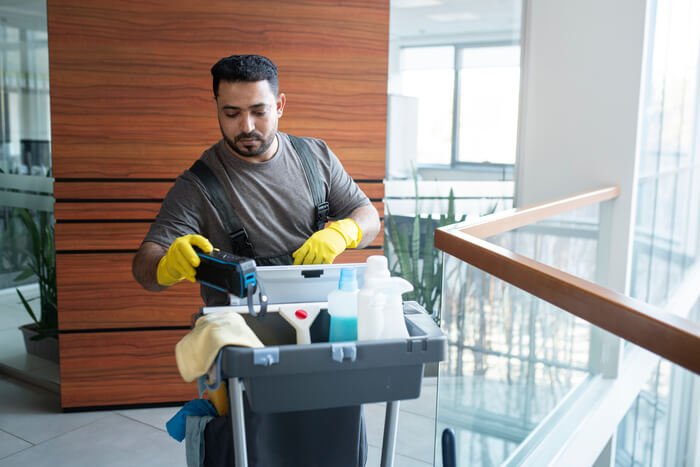
Janitorial Services
Structured recurring cleaning programs designed to maintain consistent facility conditions across commercial environments while supporting daily operations and long- term facility standards.
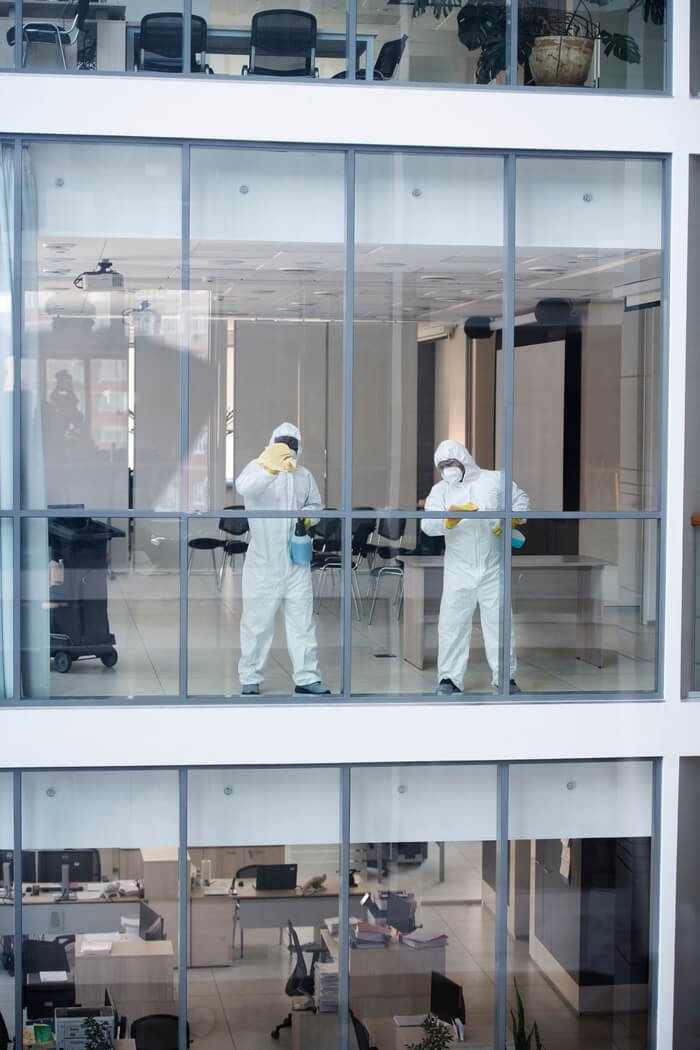
Day Porter Services
Daytime support for active facilities requiring continuous attention throughout operational hours, helping maintain shared spaces and address immediate operational needs.
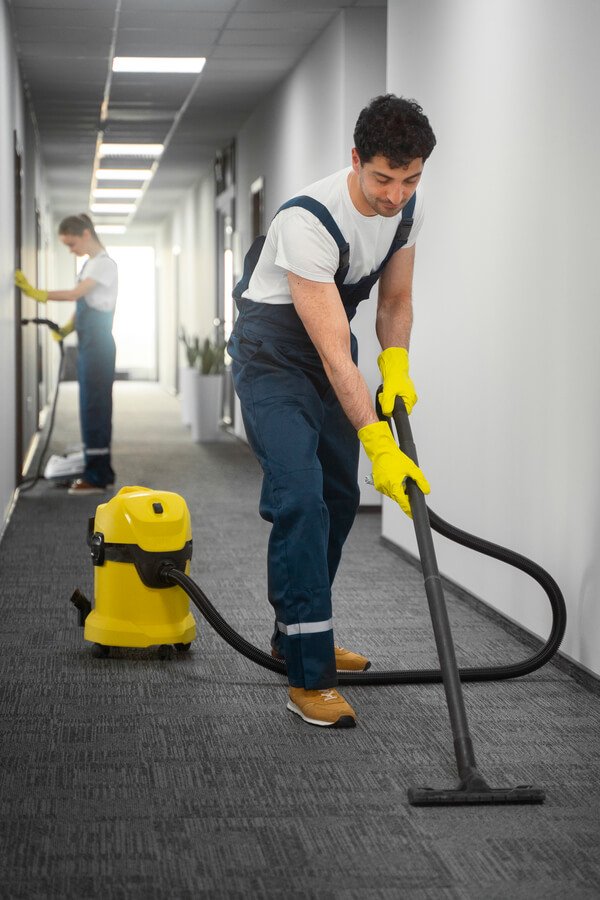
Floor Care Services
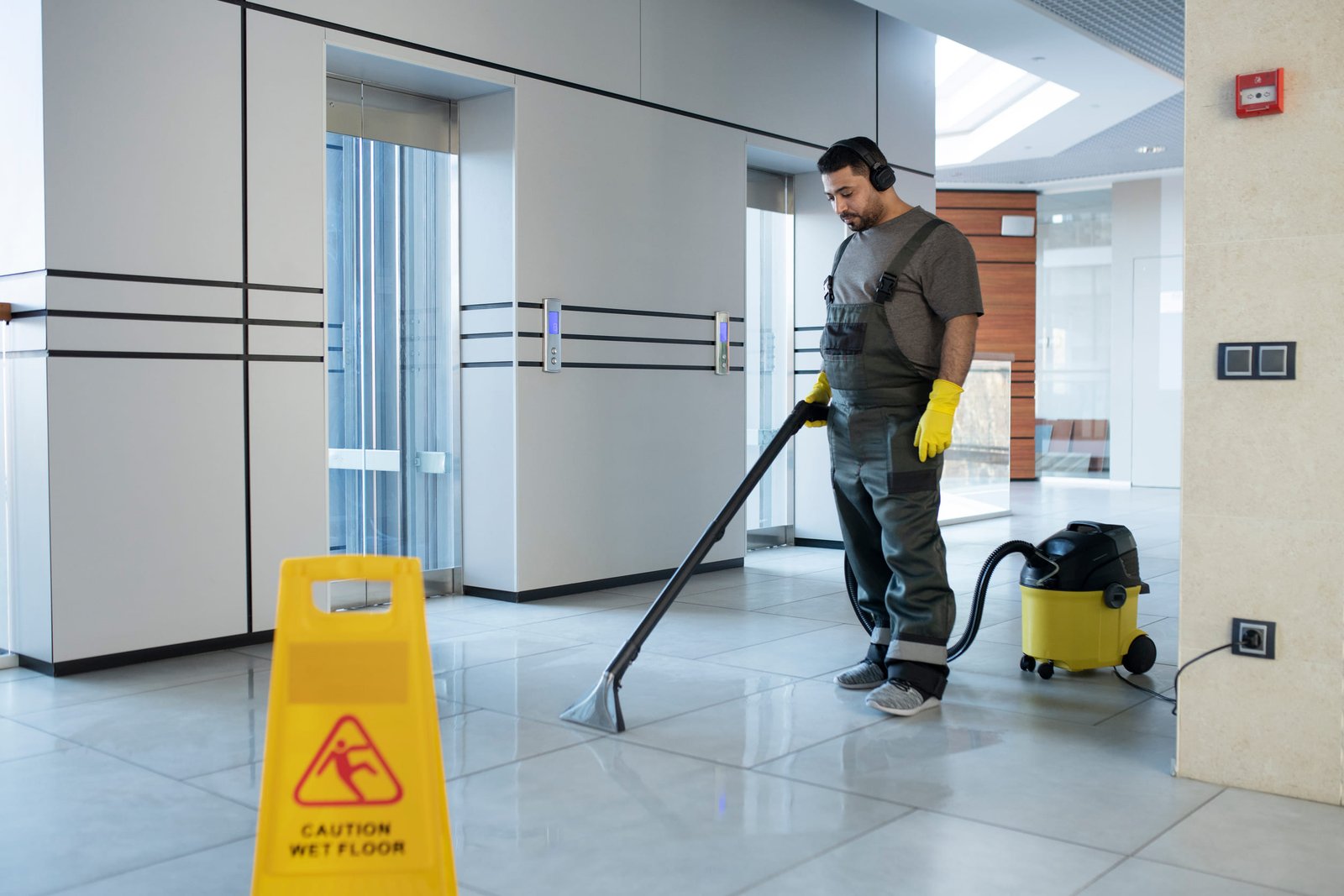
Maintenance programs aligned with flooring materials, traffic levels, appearance requirements, and long-term surface preservation objectives.
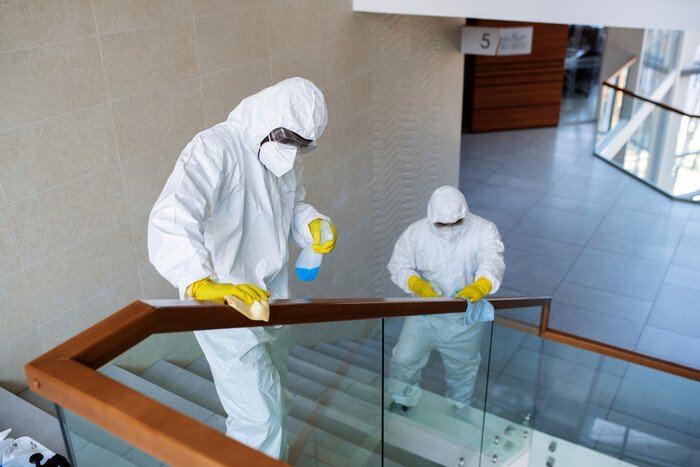
Disinfection Services
Targeted support for high-touch environments, shared spaces, and facilities requiring enhanced attention to hygiene and environmental conditions.
Post-Construction Cleaning
Detailed cleaning services supporting project turnover, occupancy readiness, phased
construction projects, and final-condition preparation.
Additional Services
Areas we support across worcester county
With an operational presence in Central Massachusetts, we support facilities throughout Worcester County and surrounding commercial corridors. Organizations operating across multiple locations benefit from structured programs that maintain consistency across facility types, municipalities, and operating environments.
We also support organizations operating throughout neighboring regions as part of multisite and regional facility programs.
Request a walkthrough
Recurring facility issues are often symptoms of misalignment between operational demands and how support programs are structured. Identifying those gaps early helps maintain consistency, reduce oversight burden, and support long-term facility performance.
We evaluate how your facility operates, identify areas of demand, operational risks, and performance requirements, and then develop a structured program aligned with your environment, occupancy patterns, and organizational expectations. Whether supporting a manufacturing facility, healthcare environment, educational institution, commercial property, or professional workplace, the objective remains the same: maintain consistent conditions through structured execution, verification, and ongoing alignment with facility operations.
