 Skip to content
Manufacturing & Warehouse Cleaning Services for Industrial Operations
Manufacturing plants, warehouses, and industrial facilities operate in environments where safety, production flow, and equipment performance depend on controlled conditions.
In these environments, dust, debris, and contamination do not remain in one place — they move through production, equipment, and workflow.
Cleaning programs must align with active operations, safety protocols, and continuous production conditions
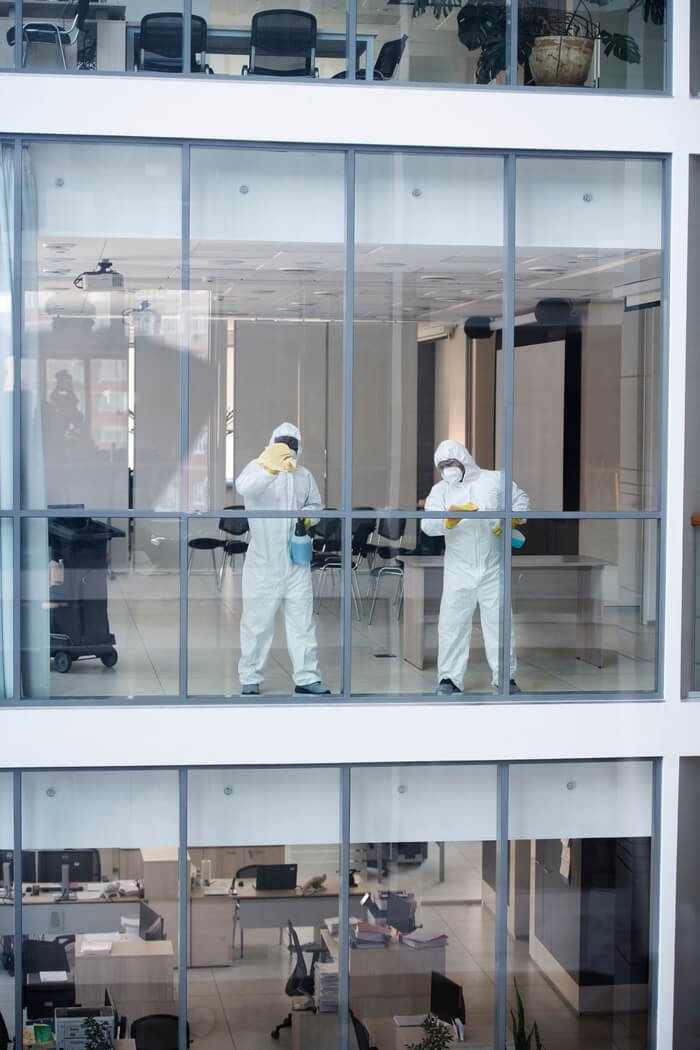
Where Cleaning Breaks Down in Industrial Environments
Cleaning is performed regularly in most manufacturing and warehouse facilities. The issue is not whether work is being done — it is whether it is executed consistently within active operations.
- dust and debris accumulate in production areas and aisles
- cleaning varies across shifts, zones, and areas
- overhead dust is not consistently removed
- grease and buildup return quickly in high-use areas
- issues are addressed after they impact operations
Cleaning is happening — but it is not controlled within the operation.
What This Leads To
- increased safety risks, including slips and equipment hazards
- disruption to production flow and workflow efficiency
- inconsistent conditions across work zones and shifts
- buildup that affects equipment performance
- failed inspections in regulated or GMP environments
- selective execution creates uneven conditions across the facility
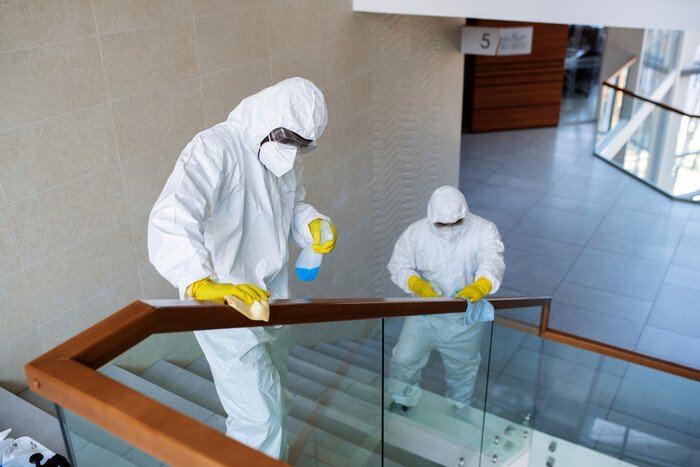
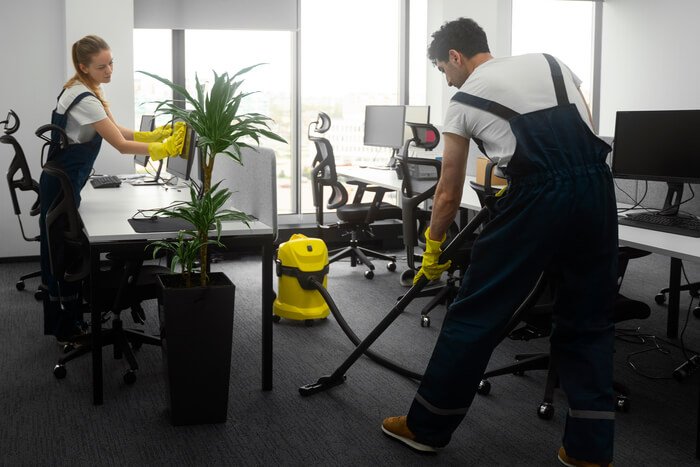
Why This Happens
Most industrial cleaning programs are built around task completion instead of controlled execution.
- cleaning is scheduled, but not aligned with production realities
- execution depends on the individual, not the system
- performance varies across shifts, zones, and teams
- verification is limited in active operational environments
Cleaning is often treated as separate from production, even though it directly impacts surrounding operational areas.
Industrial cleaning performance is directly limited by execution capacity.
- available labor determines how much work can be completed
- time constraints compress how cleaning is performed
- high-demand areas receive priority while others fall behind
- defined scope remains constant, but execution becomes selective
Some areas may appear clean, while underlying conditions remain unmanaged, creating a false sense of control across the facility.
This is not a labor issue — it is a control issue. Without structured execution, consistency cannot be maintained in active facilities.
Structured Cleaning for Manufacturing & Warehouse Environments
Structured industrial cleaning programs are designed to control how cleaning is executed within active operations.
- defined scopes aligned with production areas and workflows
- standardized execution across teams, shifts, and zones
- cleaning coordinated with active operations and safety protocols
- verification through inspections and documented routines
The objective is not just to clean — it is to maintain stable, controlled conditions across the facility.
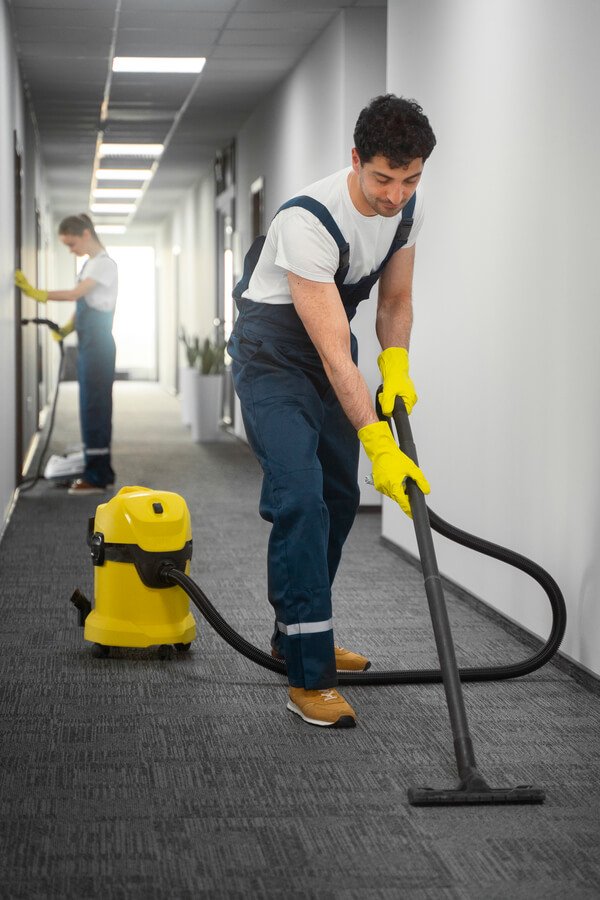
Cleaning That Aligns with Active Operations
Industrial facilities operate continuously, often across multiple shifts.
Cleaning must be performed during active operations, where production continues, equipment is in use, and conditions change in real time.
Structured cleaning programs are designed to support operational requirements such as:
- cleaning during active production without disruption
- coordination with shift schedules and workflow timing
- safe operation around equipment, forklifts, and traffic zones
- alignment with site-specific safety procedures and restricted areas
Cleaning Within Production Environments
Cleaning in manufacturing facilities does not happen in isolation from production.
In many environments, common areas such as offices, restrooms, and breakrooms are
located within or directly connected to production zones.
These areas are not separate from operations — they are part of the same system.
- personnel move between production and shared spaces
- materials and contaminants can transfer across zones
- hygiene practices in breakrooms affect production environments
- warehouse conditions impact finished goods storage
In regulated environments, this includes alignment with GMP, SQF, and internal compliance requirements.
Cleaning teams must operate within these environments while following site-specific protocols, including PPE requirements and controlled movement throughout the facility.
Cleaning is not limited to production areas — but it directly affects them.
Typical Cleaning Scope in Industrial Environments
Cleaning scope varies by facility, but industrial environments typically require controlled execution across the following areas:
Every Shift / Daily Operations
- machine-side cleaning and debris removal around equipment
- aisle cleaning to maintain safe forklift and pedestrian movement
- trash removal and housekeeping in active work zones
- restroom and breakroom sanitation supporting hygiene and compliance requirements
Ongoing Operational Support
- floor scrubbing in high-traffic aisles and production zones
- dust removal from equipment surfaces and accessible structures
- cleaning of loading docks, staging areas, and entry points
- touchpoint cleaning in shared operational spaces
Periodic Detail Work
- high dusting of rafters, beams, vents, and overhead piping
- degreasing of production floors and heavy-use areas
- detailed cleaning around equipment bases and hard-to-reach zones
- buildup removal to maintain safe and efficient operations
How Consistency Is Maintained
Consistency in industrial environments is achieved through controlled execution, not assumptions.
- defined routines aligned with production and workflow
- trained teams operating within safety and operational constraints
- supervisor oversight and inspection processes
- documented verification across shifts and facility zones
Without these controls, cleaning performance becomes inconsistent in active operations.
Facilities We Support
| Environment Type | Operational Focus |
|---|---|
| Manufacturing Plants & Production Lines | Operational continuity and safety standard maintenance |
| Warehouses & Distribution Centers | High-volume space management and layout efficiency |
| Logistics & Fulfillment Operations | Rapid-turnover coordination and throughput stability |
| Food Production & GMP Environments | Strict compliance, contamination control, and regulatory adherence |
These environments require controlled processes, coordination with operations, and consistent execution across all work zones.
Supporting Services
Janitorial Services
Recurring service programs help organizations maintain stable facility conditions,
support daily activities, and provide consistency across occupied environments.
Day Porter Services
Real-time support for active office facilities requiring continuous maintenance throughout operational hours.
Floor Care Services
Disinfection Services
Structured Cleaning for Industrial Operations
Structured cleaning programs support manufacturing and warehouse facilities across Worcester County, Central Massachusetts, the Merrimack Valley, MetroWest, and Southern New Hampshire.
