 Skip to content

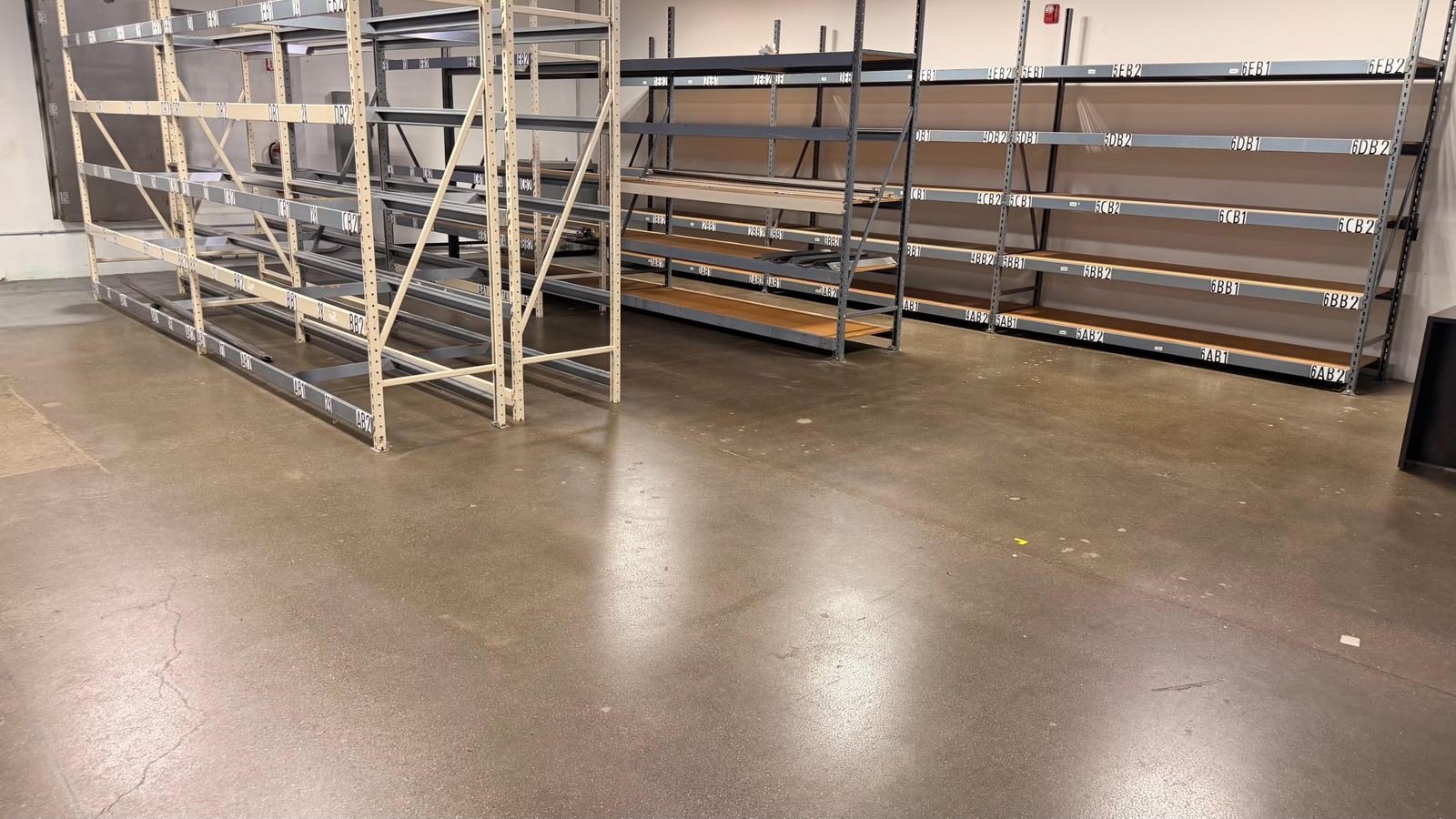
Warehouse cleaning is the scheduled cleaning of a warehouse or distribution center’s floors, aisles, loading docks, racking, staging areas, offices, restrooms and break rooms, planned around shifts and equipment traffic. Done right, it keeps forklift lanes free of debris, walkways and exits clear, dust off product and racking, and floors in condition to handle heavy traffic. In a warehouse, cleaning is not mainly about appearance. It is about safety, equipment and throughput.
This guide covers what to clean in each zone, how often, how to care for warehouse floors, the safety rules that apply, real examples from warehouses we clean, and how to choose a provider.
Why warehouse cleaning is different from office cleaning
- Scale. Tens of thousands of square feet of open floor, high ceilings and tall racking.
- Equipment. Forklifts, pallet jacks and conveyors share the space with people, and debris damages both.
- Active operations. Picking, receiving and shipping often run across multiple shifts, so cleaning has to work around them.
- Different soils. Pallet splinters, stretch wrap, cardboard, dust, tire marks, oil drips and winter salt, not just office trash.
- Safety rules. Clear aisles, exits and walking surfaces are an OSHA requirement, not a preference.
Treating a warehouse like a big office is one of the most common mistakes we see. A provider once assigned to a warehouse we later took over cleaned it like a standard commercial space and didn’t keep floors clear of broken pallet pieces and loose material. According to facility leadership, the debris added wear to forklifts and material-handling equipment and led to avoidable repair costs. The tasks on the checklist were done. The priorities were wrong. The same thing happens when a scope is written around a service name instead of the building; see office cleaning vs. janitorial services for how to compare what each one actually covers.
Warehouse cleaning zone by zone
The six zones of warehouse cleaning
Each zone has different risks and priorities
1. Loading docks
The dock is where outside dirt, water and salt come in and where packaging waste piles up. Sweep and remove debris daily, keep dock plates and leveler pits clear, manage stretch wrap and pallet scraps, and watch for water and ice in winter.
2. Aisles and forklift lanes
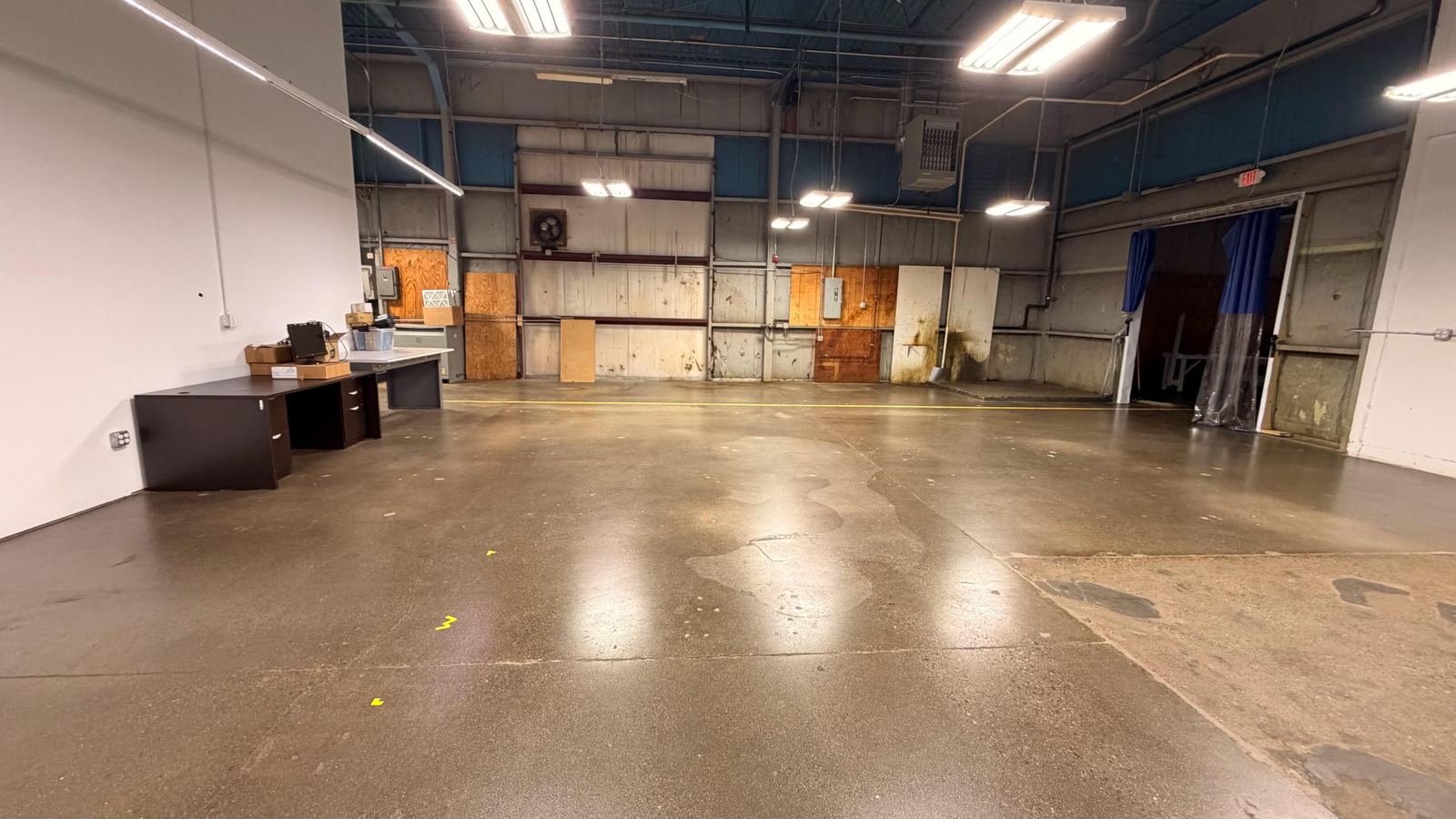
This is the most important zone for safety and equipment. Pallet splinters, nails, stretch wrap and banding get caught in forklift wheels and cause wear and breakdowns. Spills and dust make lanes slippery. Aisles should be swept or scrubbed on a set schedule, with spot cleaning of spills right away.
3. Racking and high areas
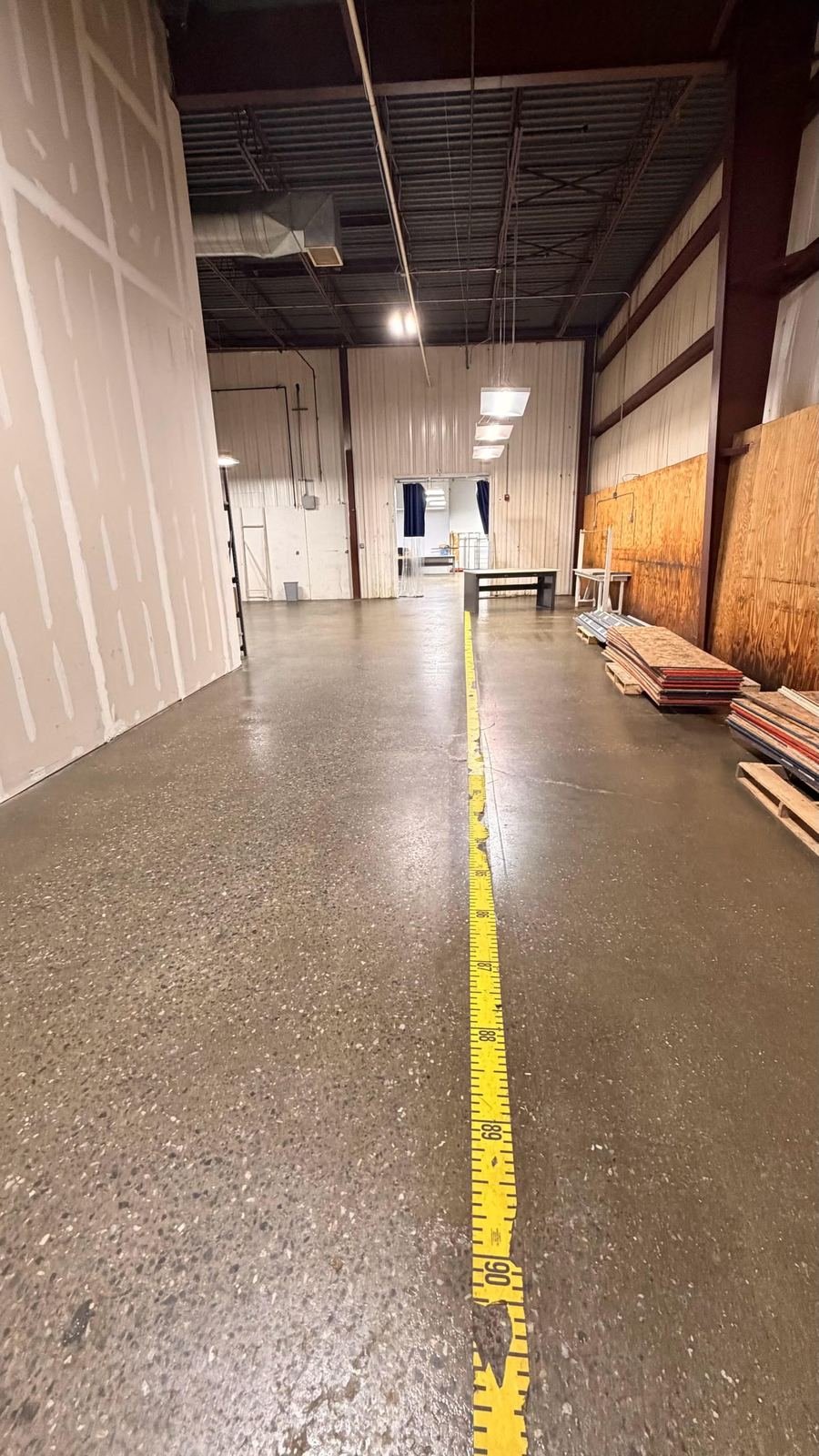
Dust settles on rack beams, light fixtures, ductwork and the tops of stored product. High dusting is periodic work, usually done with lifts and a safety plan, and it is easy to skip until dust falls on product or sets off complaints. Under-rack sweeping matters too: debris collects where machines and brooms don’t reach.
4. Staging, packing and shipping areas
Cardboard, stretch wrap, labels and tape build up fast. Waste and recycling need to be emptied often enough that they never block walkways, and packing stations need regular wiping.
5. Offices, restrooms and break rooms
Warehouse restrooms and break rooms often serve large crews across shifts, so they get dirty faster than office restrooms. They usually need cleaning every shift, not just every night.
6. Entries and exterior
Entry mats, glass and sidewalks set the first impression for visitors and drivers, and they are where salt and slush start in winter. Pressure washing docks and entries seasonally keeps buildup down.
Warehouse cleaning checklist by frequency
| Frequency | Tasks |
|---|---|
| Every shift | Restrooms and break rooms cleaned and restocked; spills cleaned up immediately; trash and recycling at packing stations emptied; dock debris removed |
| Daily | Sweep or auto-scrub main aisles and forklift lanes; clear walkways and exits; office trash and floors; entry mats |
| Weekly | Under-rack sweeping in active zones; detail clean break rooms and restrooms; wipe packing stations and touchpoints; dock edges and corners |
| Monthly | Machine scrub full warehouse floor; clean office glass and partitions; spot-clean walls and doors; remove cobwebs at reachable heights |
| Quarterly | High dusting of racking, beams, lights and ducts; deep clean docks; office carpet extraction |
| Yearly or seasonal | Floor deep scrub and degreasing; pressure washing exterior, docks and sidewalks; full high-reach cleaning |
Frequencies depend on your shifts, traffic and what you store. A cold-storage facility, a parts warehouse and an e-commerce fulfillment center will each look different. See how to set cleaning frequency.
Warehouse floor cleaning
Most warehouse floors are sealed or polished concrete. They take heavy loads well, but they still wear, stain and get slippery when not maintained.
How to clean a warehouse floor
- Remove debris first. Sweep or use a ride-on sweeper to pick up splinters, wrap, dust and grit before any wet cleaning.
- Scrub, don’t just mop. An auto-scrubber applies solution, scrubs and recovers the dirty water in one pass. Mopping large areas spreads dirt around.
- Use the right chemical. A neutral cleaner for routine scrubbing, a degreaser for oil and tire marks, and products safe for the floor’s sealer.
- Treat spills right away. Oil, coolant and liquids need prompt cleanup with the right absorbent, not a wet mop.
- Adjust for winter. Salt and slush at docks and entries need more frequent scrubbing to prevent residue and slipping. See our floor care services.
Safety: OSHA housekeeping in warehouses
OSHA’s walking-working surfaces standard (29 CFR 1910.22) requires workplaces, including passageways and storerooms, to be kept clean, orderly and sanitary, and floors kept free of hazards and as dry as practical. In warehouses, cleaning directly supports:
- Clear aisles and exits with nothing stored or dropped in walkways
- Slip and trip prevention through spill response and debris removal
- Access to fire extinguishers, exits and electrical panels
- Safe chemical storage, with Safety Data Sheets for every cleaning product
- Coordination with forklift traffic so cleaners stay safe too
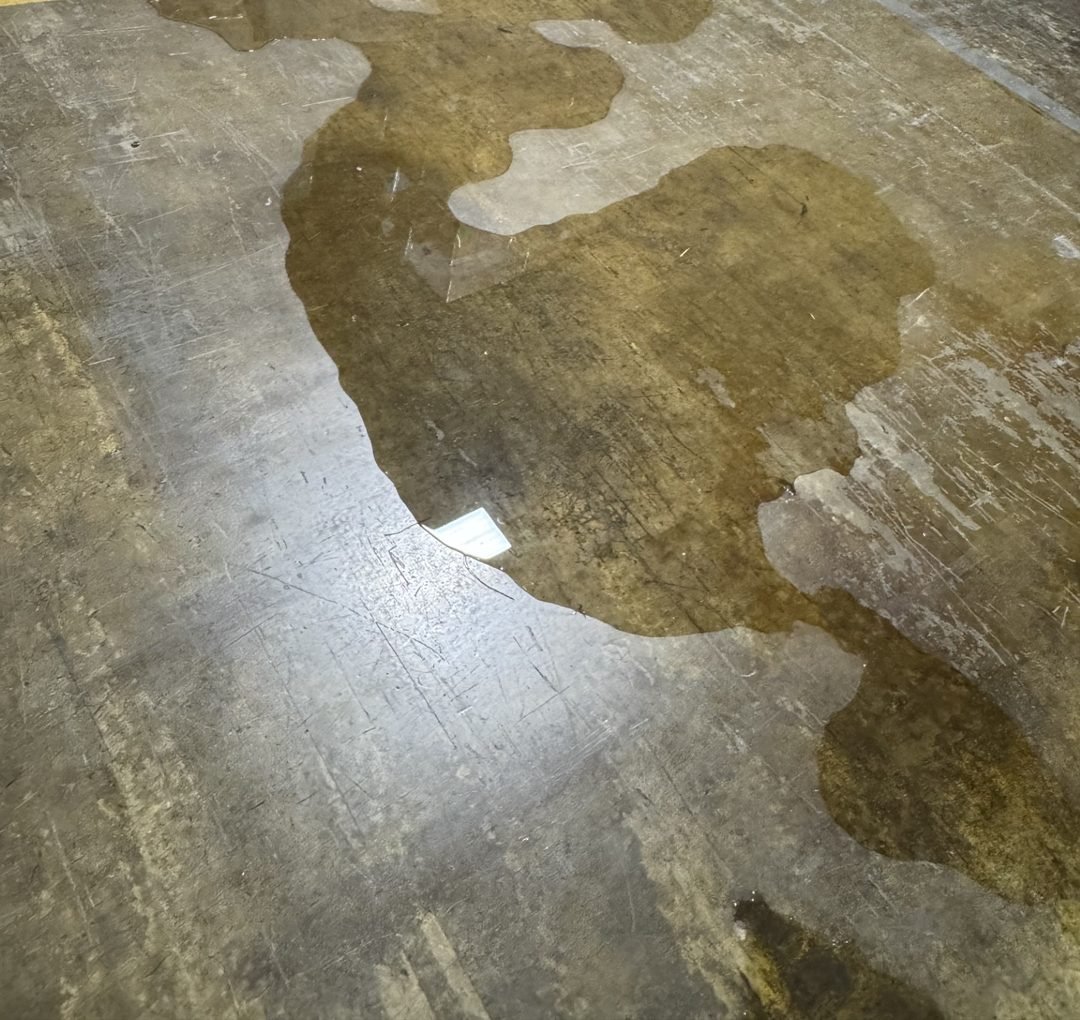
Cleaning crews also see things. During a storm at one warehouse we clean, our crew found rainwater coming in near a back-room door, moved wet boxes of inventory away from the leak, photographed the standing water and reported it to the facility.
Cleaning around active operations
Most warehouses can’t stop for cleaning. A good program is planned around the operation:
- Floor scrubbing during the lowest-traffic shift or between shifts
- Zone-by-zone schedules so only one area is closed at a time
- Coordination with forklift traffic, with cones and clear signals
- Extra coverage during peak season, when volume and waste spike
- Day porter coverage for restrooms and break rooms on busy shifts
Vacant and lease-ready warehouse cleaning
Empty warehouse space gets judged the moment a prospective tenant walks in. In Hudson, NH, ATEB cleaned a vacant 13,000 sq ft warehouse suite, including the dock, offices, restrooms and sprinkler room, for an owner who was not on site. The crew worked from a lockbox, cleaned under the racks the previous tenant left behind, and sent before-and-after photos for remote sign-off. Read the Hudson warehouse case study.
What affects the cost of warehouse cleaning
- Square footage and how much is open floor vs. racking
- Number of shifts and when cleaning can happen
- Restroom and break room count and crew size
- Floor condition and how often machine scrubbing is needed
- High dusting and other periodic work
- Equipment: ride-on sweepers, auto-scrubbers, lifts
Pricing should come from a walkthrough, not square footage alone. See how to evaluate a commercial cleaning proposal.
How to choose a warehouse cleaning company
- Do they clean warehouses now, and can they describe how they work around forklift traffic?
- Do they have the right equipment (auto-scrubbers, sweepers, lifts) or will they rent it?
- How do they schedule around your shifts and peak seasons?
- Who supervises and inspects, and how often?
- How do they handle spills, safety issues and things outside their scope?
- Can they give you a written scope by zone and frequency?
As one of our warehouse clients put it: “Our warehouse floors are cleaner than ever, making our shipping operations more efficient and safe for our staff.” (Carly J., VP of Customer Operations, All-Star Sporting Goods)
Warehouse cleaning with ATEB
ATEB cleans warehouses, distribution centers and industrial facilities across Central Massachusetts, the Merrimack Valley, MetroWest and Southern New Hampshire, with written scopes by zone, cleaning planned around your shifts, and supervisor inspections. Learn more about our warehouse cleaning services, Schedule a free walkthrough, or call (978) 235-0205 in Leominster or (603) 324-9156 in Nashua.
Frequently asked questions
What does warehouse cleaning include?
Cleaning of loading docks, aisles and forklift lanes, racking and high areas, staging and packing areas, offices, restrooms, break rooms and entries, plus periodic floor scrubbing and high dusting.
How often should a warehouse be cleaned?
Restrooms, break rooms and spill response every shift; main aisles and docks daily; under-rack and detail work weekly; full floor scrubbing monthly; high dusting quarterly; deep floor care and pressure washing yearly or seasonally.
How do you clean a warehouse floor?
Remove debris first with a sweeper, then scrub with an auto-scrubber using a neutral cleaner, degrease oil and tire marks, treat spills right away, and scrub more often in winter.
Why does warehouse cleaning matter for safety?
Debris, spills and blocked aisles cause slips, trips and equipment damage. OSHA requires walking surfaces, passageways and storerooms to be kept clean, orderly and free of hazards.
Can a warehouse be cleaned during operations?
Yes. Good programs schedule floor scrubbing in low-traffic windows, clean zone by zone, coordinate with forklift traffic and add coverage in peak season.
What affects the cost of warehouse cleaning?
Square footage, shifts, restroom and break room use, floor condition, periodic work like high dusting, and equipment needs. An accurate price needs a walkthrough.


